

The psychology behind why we gamble Understanding the mind's allure
The thrill of risk and reward
Gambling is inherently tied to the thrill of risk and reward. The anticipation of potentially winning can trigger a surge of adrenaline, creating a euphoric experience that many find addictive. This rush is often compared to the high experienced from various stimulating activities, whether it be extreme sports or investment trading. The unpredictability of outcomes is what hooks individuals, as it constantly engages the brain’s reward centers, amplifying the desire to indulge in casino online offerings again.
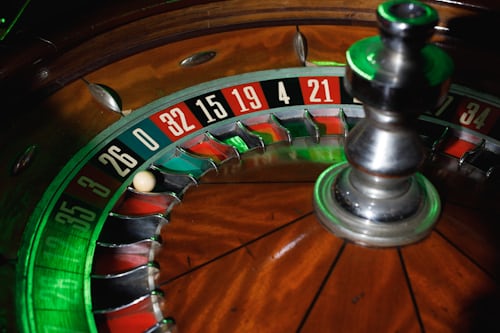
This psychological phenomenon is rooted in what psychologists term “variable reinforcement.” Unlike predictable rewards, the uncertainty of gambling outcomes keeps players on their toes, seeking that elusive win. The brain releases dopamine—a neurotransmitter associated with pleasure—when wins occur, reinforcing the behavior and encouraging repeated play. Even small wins can create a significant impact, leading players to chase the next reward and further entrenching them in the gambling cycle.
Moreover, the very nature of gambling environments is designed to capitalize on these psychological tendencies. The colors, sounds, and lights in casinos are meticulously crafted to enhance the emotional experience. This immersive atmosphere encourages prolonged engagement and fosters an environment where players are more likely to lose track of time and money. Understanding this dynamic is essential for recognizing the allure of gambling and why it captivates so many.
The influence of cognitive biases
Cognitive biases play a crucial role in shaping gamblers’ decisions and perceptions. One common bias is the “illusion of control,” where individuals believe they can influence outcomes in games of chance, such as dice rolling or slot machines. This false sense of control can lead to overconfidence, encouraging people to gamble more than they should. Gamblers often convince themselves that their skill or strategy will lead to consistent wins, even when the odds are statistically against them.
Another relevant bias is the “gambler’s fallacy,” where individuals think past events will influence future outcomes. For instance, if a roulette wheel has landed on black several times in a row, a player may feel that red is “due” to come up next. This misunderstanding of probability can result in irrational betting behavior, leading to more significant losses. These cognitive traps can make gambling feel more attractive, drawing people in despite the risks.
Additionally, the way wins and losses are framed influences gambling behavior. Many gamblers tend to focus more on their wins, often overlooking their losses, which can create a skewed perception of their success. This selective memory reinforces the idea that gambling can be profitable, leading to a cycle of continued play. By understanding these cognitive biases, individuals can become more aware of their thought patterns and the psychological traps that gambling can present.
The social aspect of gambling
The social environment surrounding gambling also plays a significant role in its appeal. For many, gambling is not just about winning money; it is a communal activity that fosters social connections. Whether at a bustling casino table or an online gaming platform, the shared experience of gambling can create bonds among players. This social aspect adds another layer of excitement and can enhance the overall enjoyment of the activity.
Moreover, social norms and peer influences can shape gambling behaviors. Individuals may feel pressure to participate in gambling activities to fit in with their friends or social circles, leading them to engage in more risky behavior than they might typically undertake alone. This phenomenon is particularly pronounced in settings like bachelor parties or group outings, where the collective excitement can overshadow individual caution.
In addition, the rise of online gambling has further expanded the social dimensions of the activity. Virtual platforms often include chat features and community forums, allowing players to engage with others globally. While this can create a sense of belonging, it can also normalize excessive gambling behaviors, making it essential for players to remain vigilant about their habits. By recognizing the social influences at play, individuals can better navigate their gambling experiences and engage more responsibly.
The impact of addiction
Gambling addiction is a serious psychological issue that affects many individuals worldwide. Characterized by compulsive behavior and an inability to control gambling habits, this addiction can lead to significant personal, financial, and social consequences. Understanding the psychological underpinnings of gambling addiction is crucial for developing effective treatments and support systems. Many individuals who struggle with this issue may initially view gambling as a harmless pastime, only to find themselves caught in a cycle of dependency.
Neurologically, gambling addiction can be likened to substance abuse, as it activates similar brain pathways associated with reward and pleasure. As gamblers chase losses or seek the next high, they often experience tolerance, requiring more significant risks to achieve the same euphoric feelings. This progressive increase in gambling behavior can lead to devastating outcomes, including financial ruin and strained relationships.
Treatment for gambling addiction typically involves a combination of therapy, support groups, and educational programs. Cognitive-behavioral therapy, in particular, has shown promise in helping individuals identify and change their thought patterns related to gambling. By addressing the psychological aspects of addiction, individuals can learn to manage their impulses and make healthier choices. Awareness of gambling addiction’s psychological impact is essential for promoting responsible gambling practices and reducing its prevalence in society.

Your guide to responsible gambling
As the allure of gambling continues to captivate many, understanding the psychology behind it can empower individuals to make responsible choices. Our website serves as a comprehensive resource dedicated to promoting informed gambling practices. We aim to equip players with the necessary knowledge to enjoy gambling without falling into the traps of addiction or irresponsible behavior. Through well-researched content and expert insights, we provide valuable information on the dynamics of gambling.
Our commitment to responsible gambling extends beyond just offering information; we also highlight the importance of setting limits and recognizing the signs of problem gambling. Players can learn strategies for managing their budgets, understanding the odds, and finding balance in their gambling habits. By fostering a culture of responsibility, we hope to contribute positively to the gambling landscape, ensuring that it remains an entertaining and safe activity for everyone.
Ultimately, understanding the psychology behind gambling can lead to more informed decisions and healthier interactions with this popular pastime. As you explore our resources, you’ll gain insights that not only enhance your gaming experience but also empower you to approach gambling with a mindful and responsible mindset.
Leave a Reply